English
 Español
 عربى
عربى हिंदी
हिंदी
اختيار خيوط نايلون 6 FDY للحصول على نتائج متسقة
محتوى
ما الذي يميز خيوط النايلون 6 FDY عن بعضها البعض
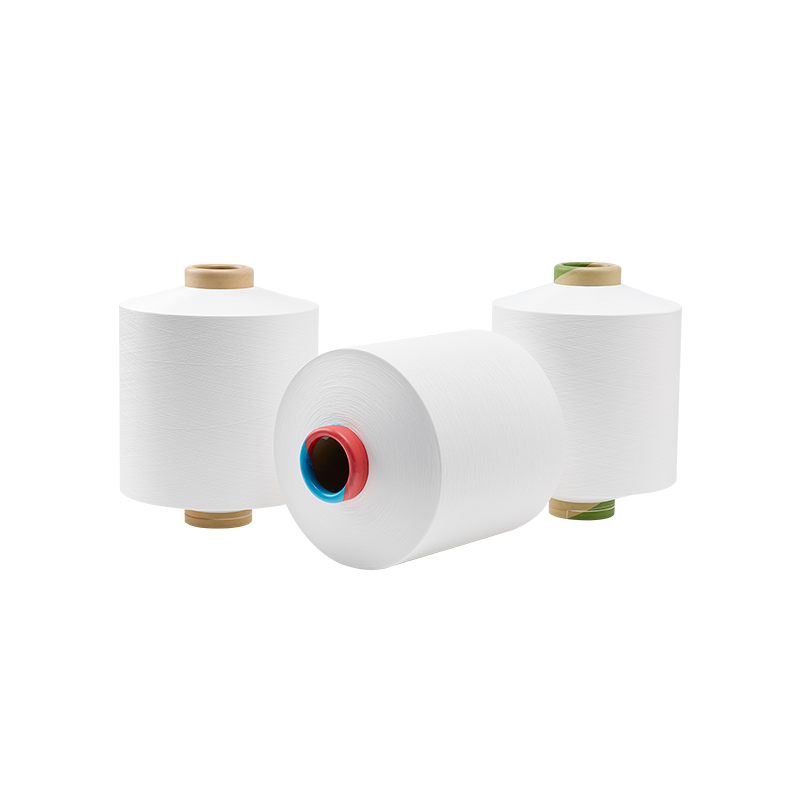
حبلا واحد من خيوط نايلون 6 FDY يمر عبر الدوران والرسم في عملية واحدة متواصلة، بدلاً من أن يتم رسمه لاحقاً كخطوة منفصلة. يتم تمديد الخيوط إلى ما يقرب من اتجاهها النهائي بينما لا تزال على خط الغزل، الذي يحبس السلاسل الجزيئية في ترتيب بلوري مستقر قبل أن يتم لف الخيوط على العبوة.
هذا الهيكل أحادي التمرير هو ما يفصل FDY عن الغزل الموجه جزئيًا. يترك POY السلاسل الجزيئية مصطفة بشكل غير محكم، مما يتطلب خطوة رسم في اتجاه مجرى النهر قبل أن يتصرف بشكل متوقع في النسيج أو الحياكة. يتخطى FDY تلك التبعية. يأتي خارج الخط جاهزًا للتشغيل، مع انكماش أقل وكسر شعري أقل من الخيوط التي يتم سحبها في عملية ثانية منفصلة.
الأداء الذي يهم في الإنتاج
تهتم المطاحن بثلاثة أرقام عندما تتأهل لمجموعة خيوط جديدة: المتانة المتكسرة، والاستطالة عند الكسر، واتساق امتصاص الصبغة. نايلون 6 غزل مسحوب بالكامل يتم تشغيله عادةً في نطاق تماسك يتراوح بين 4.0-5.5 cN/dtex مع استطالة تتراوح بين 25% و45%، اعتمادًا على نسبة السحب المطبقة أثناء الدوران.
إن الاسترداد المرن هو ما يجعل هذا الخيط مفيدًا في الأقمشة القابلة للتمدد - فهو يعود قريبًا إلى طوله الأصلي بعد إزالة التوتر، بدلاً من أن يتشوه بشكل دائم. نظرًا لأن الخيوط موجهة بشكل موحد، فإن تغلغل الصبغة يكون متساويًا عبر الكثير، مما يقلل من اختلاف الظل بين دفعات الصبغة. يعد هذا الاتساق أكثر أهمية في عمليات الإنتاج الكبيرة من أي رقم قوة فردي، نظرًا لأن المطحنة التي تعيد صياغة كميات الصبغة غير المستوية تفقد وقتًا أكثر من تلك التي تتعامل مع مواصفات مثابرة أقل بشكل هامشي.
حيث يتم استخدام خيوط النايلون FDY فعليًا
نايلون FDY يظهر في ثلاث فئات مختلفة من المنتجات، كل منها لها خاصية مختلفة.
- الملابس والملابس الرياضية: تعتمد السراويل الضيقة وملابس السباحة والملابس الضاغطة على تمدد الخيوط وسطحها الناعم للحصول على ملمس ناعم لليد.
- المنسوجات المنزلية: تستخدم أقمشة الستائر وأقمشة البطانة ثبات أبعاد الغزل لتثبيت الستارة دون الترهل بمرور الوقت.
- السلع الصناعية: تستفيد أحزمة التغليف ومكونات النقل وحزام الأمان من درجات المتانة الأعلى، حيث تفوق القوة الخام النعومة.
تخدم نفس الألياف الأساسية جميع الأسواق الثلاثة - ويعود الاختلاف إلى منكر وعدد الخيوط ونسبة السحب المحددة في مرحلة الغزل.
مطابقة عدد الخيوط وعدد الخيوط مع الوظيفة
تحديد نايلون FDY Yarn يبدأ بعدد منكر وعدد الخيوط، وليس نوع الألياف. يتصرف خيط 40D/13F بشكل مختلف تمامًا على ماكينة الحياكة الدائرية عن سلوك خيط 70D/24F على ماكينة حياكة السداة، على الرغم من أن كلاهما نايلون 6 متطابقان كيميائيًا.
تنتج الأقمشة الدقيقة ذات عدد الخيوط الأعلى يدًا قماشية أكثر نعومة ومرونة - والمقايضة هي قدرة تحمل أقل لكل خيط. تحمل الإنشاءات الخشنة ذات الخيوط المنخفضة حمولة أكبر ولكنها تكون أكثر صلابة على الجلد، ولهذا السبب نادرًا ما تعتمد مصانع الملابس ومنتجو الأشرطة الصناعية على نفس ورقة المواصفات. تضيف المتغيرات الكاملة وشبه الباهتة طبقة أخرى من الاختيار: ينثر الخيط الباهت بالكامل الضوء للحصول على لمسة نهائية غير لامعة مفضلة في الملابس الحميمة، بينما يحتفظ شبه الباهت بلمعان طفيف يناسب بشكل أفضل بطانات الملابس الخارجية. بالنسبة للمشترين الذين يقارنون أشكال الغزل على نطاق أوسع، فإنه يساعد أيضًا على فهم الفرق بين النايلون POY وFDY وDTY قبل تثبيت المواصفات، نظرًا لأن DTY المزخرف يتصرف بشكل مختلف تمامًا بمجرد حياكته.
التحقق من الجودة قبل الالتزام بالمورد
الاتساق بين القرعة هو الاختبار الحقيقي ل خيوط نايلون 6 FDY المورد. اطلب بيانات المتانة والاستطالة من ثلاث دفعات إنتاج منفصلة على الأقل، وليس مجرد شهادة تحليل واحدة - تخفي بيانات الدفعة الواحدة الانجراف من مجموعة إلى أخرى والذي لا يظهر إلا بمجرد تشغيل الخيوط على نطاق واسع.
اسأل أيضًا عن اختبار الانكماش في ظل ظروف ضبط الحرارة التي تتوافق مع عملية التشطيب الخاصة بك، نظرًا لأن سلوك الانكماش يختلف باختلاف درجة الحرارة المحددة ووقت المكوث الذي تستخدمه الطاحونة في اتجاه مجرى النهر. عادةً ما يكون المورد الذي يمكنه اتباع بروتوكول الاختبار الداخلي الخاص به، بدلاً من الإشارة فقط إلى ورقة المواصفات، هو المورد الذي يستحق بناء علاقة طويلة الأمد معه.